01 / AT HOMEA little space
A little space
for yourself.
Pause, remember, write or create. Make room for what matters, in a way that feels right for you.
Explore home practices
A SHARED INVITATION · WORLDWIDE
Saturday 24 April 2027
Restoring relationship.
Remembering our belonging.
A shared day to pause, listen and participate in healing—with ourselves, one another and the wider community of life.
Find your way to participateAt home. In nature. Together.
AN INVITATION TO EVERYONE
In a quiet room. Beside a tree.
Around a kitchen table.
You do not need to organise an event to take part. A moment of stillness, a reflective walk, a shared meal or an act of kindness can become your contribution.
Global Healing Day brings personal practices and collective action into a shared invitation: to acknowledge suffering, nurture belonging and explore what repair might mean.
CHOOSE YOUR OWN STARTING POINT
Make space for silence and conversation,
grief and gratitude, reflection and action.
Pause, remember, write or create. Make room for what matters, in a way that feels right for you.
Explore home practices
Spend time with a tree, river, garden or landscape. Notice the lives around you and consider their care.
Explore nature practices
Share a meal, join a listening circle or take part in remembrance, creative expression or restoration.
Explore shared practicesGive someone, somewhere or something you miss a place in your day.
Read the practice +Choose a photograph, a meaningful object or simply a quiet place. If you wish, light a candle safely. Remember a person, place or other being with whom you feel a connection.
You might write a few words of gratitude or remembrance. There is no need to reach a conclusion or share what you write.
Carry it forwardChoose one small way to honour what this relationship has given you.
Reflect on inherited strengths and patterns you hope to change.
Read the practice +On a page, make two headings: “What has nourished me?” and “What would I like to do differently?” Think of everyday habits, stories or ways of relating. Stay with what feels manageable.
Notice a strength you can draw upon. You can leave either column empty, pause or return another day.
Carry it forwardChoose one kind, practical change in an everyday relationship.
Meet a familiar corner of the living world with fresh attention.
Read the practice +Find a comfortable place outdoors—or beside a window. Notice sounds, light, textures and movement. Let your attention include the other lives present.
Ask: what sustains this place? What changes have I noticed? What care might it need? You do not need an immediate answer.
Carry it forwardReturn to this place, learn about its ecology or support local stewardship.
Turn gratitude for the living world into a thoughtful act of care.
Read the practice +Choose a locally appropriate action: tending an existing garden, joining a habitat restoration group or safely collecting litter. Follow local guidance and respect wildlife and land access.
Pause before and afterwards to notice what this place gives and what you can offer in return.
Carry it forwardMake caring for this place a regular part of your life.
Offer each other time to be heard, without rushing to an answer.
Read the practice +With a few people you trust, agree that everyone may speak, pass or leave. Ask: “What helps you feel connected?” Allow each person a few uninterrupted minutes.
Listen without advising or interpreting. Keep personal stories private. Close by noticing something you appreciate about being together.
Carry it forwardConsider meeting again. Deeper exploration of trauma needs appropriately experienced facilitation.
Let food, conversation and welcome become a simple ritual.
Read the practice +Invite people to share a meal or a cup of tea. Consider access, dietary needs and what each person is comfortable contributing.
You might acknowledge the people, land, water and other lives involved in bringing the food to the table. Invite a story of care or belonging, with no expectation to speak.
Carry it forwardChoose one way to strengthen mutual support in your neighbourhood.
Choose what feels comfortable. You may adapt any practice, pause or simply be present.
REMEMBRANCE · UNDERSTANDING · REPAIR
What we inherit.
What we choose to pass on.
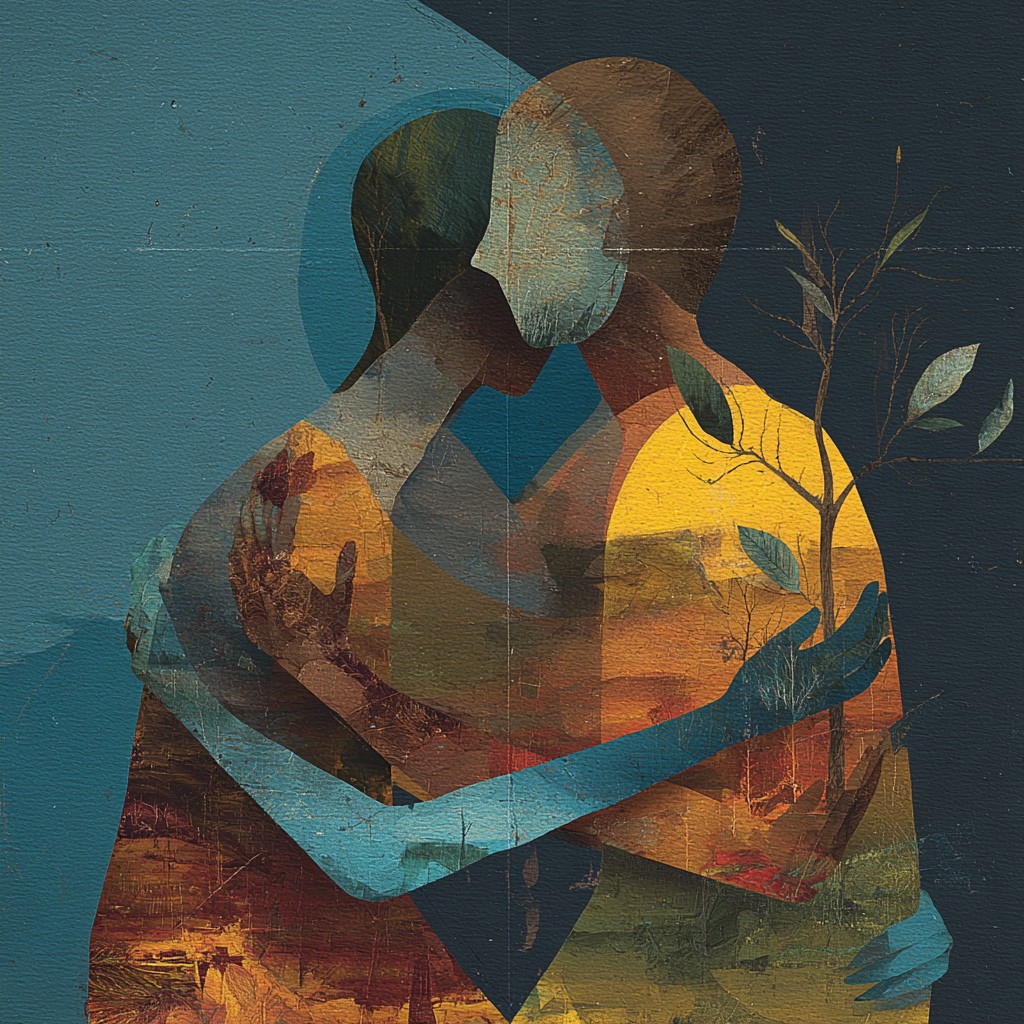
Our lives are shaped by histories we remember and histories we have barely begun to understand. Families and communities carry courage, care and resilience alongside experiences of violence, displacement, exclusion and loss.
Through historical inquiry, remembrance, creative expression and carefully facilitated dialogue, we can acknowledge what remains unheard and explore how the past continues to shape our relationships and institutions.
What remains unacknowledged?
What patterns do we wish to change?
What responsibilities arise from remembering?
Repair may involve truth, accountability, justice and practical change. Forgiveness remains a personal choice.
THE WIDER COMMUNITY OF LIFE
Animals, plants, waters, soils and ecosystems are part of the community to which we belong. Our health and futures are intertwined with theirs.
Restoring right relationship means asking how we receive from the living world, what we give back and how our choices affect other beings and future generations.
Through attention, gratitude, restraint and restoration, we can deepen our belonging. We must also face the suffering human activities have caused and take responsibility for preventing further harm.
Begin with a place you knowACKNOWLEDGEMENT · RESPONSIBILITY · REPAIR
The living world is not simply a source of comfort for us. It is a community of life to which we are accountable.
Human activities have inflicted profound suffering on other beings and damaged the places that sustain them. Through habitat destruction, pollution, extraction, industrial cruelty and the disruption of climate and ecological systems, we have wounded lives whose needs and intrinsic worth have too often been ignored.
Global Healing Day invites us to face this harm honestly. To grieve what has been lost. To acknowledge our participation in the patterns that continue it. And to take responsibility for changing them.
Responsibility is not equally shared. Those with greater power, resources and influence carry greater obligations for repair. We also honour the communities that have long protected the living world, and those who bear the consequences of damage they did little to cause.
Our rituals of care gain meaning through the lives we protect, the harm we prevent and the relationships we help restore.
Restoring right relationship calls for more than gratitude. It asks for restraint, protection, restitution where possible, and sustained changes in how we produce, consume, govern and live.
Turn acknowledgement into repair
FROM RECOGNITION TO RESPONSIBILITY
Examine the effects of our everyday choices and institutional practices on animals, habitats, waters and soils. Choose one concrete change and carry it through.
Contribute time, resources or influence to locally appropriate restoration, animal protection or community-led stewardship. Let those closest to the place help guide the work.
Ask what needs to change in an organisation, industry or public policy. Use the power available to you to support accountability and lasting protection for life.
Choose a commitment you can sustain. Return to it after the day and ask what has changed—for the beings and places affected.
COME TOGETHER WITH CARE
From a few neighbours to a wider community,
create a space that fits the people and place.
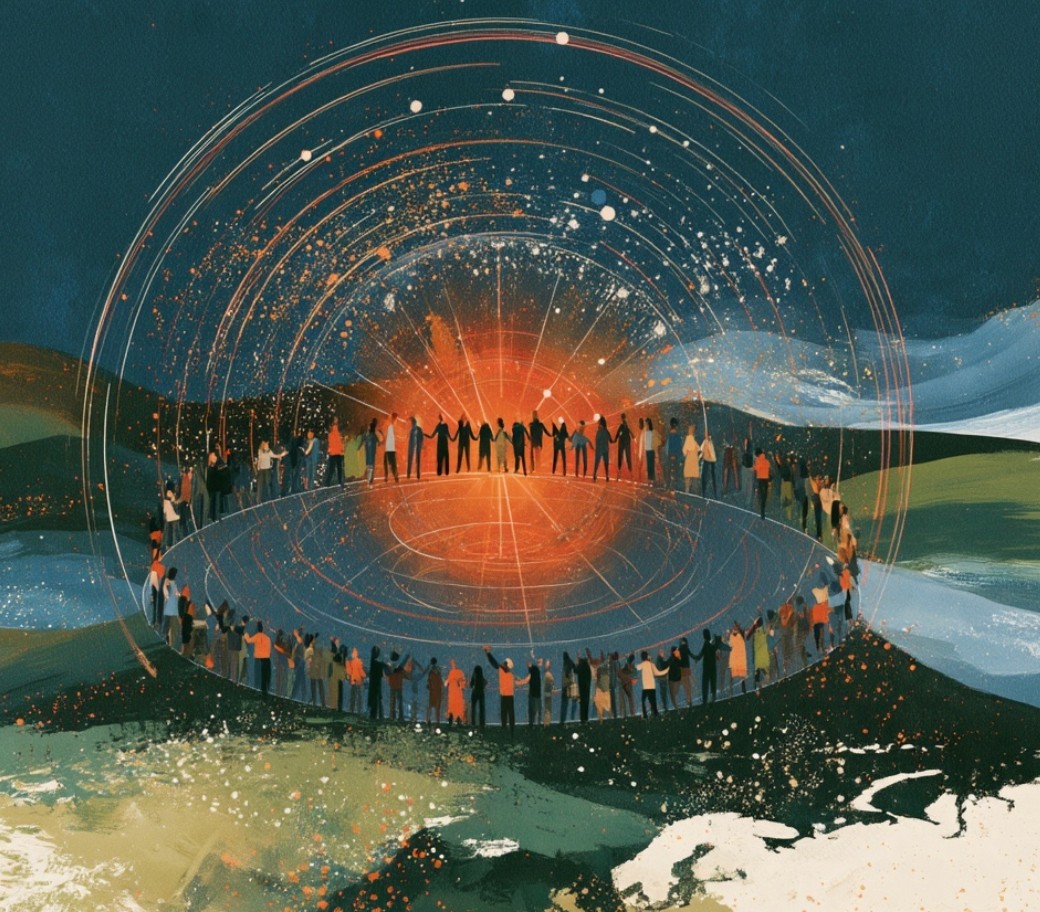
Facilitated spaces to listen to lived experiences, explore shared histories and attend to suffering with compassion and honesty.
Music, movement, storytelling and food can offer ways to express what words cannot hold—and make room for renewed joy.
Community-led activities that connect ecological care with local knowledge, belonging and continuing stewardship.
Gatherings and activities will be added as they are confirmed. In the meantime, explore the practices or begin planning a gathering of your own.
Read our gathering guidanceHOW WE HOLD THE DAY
Let welcome, dignity and choice shape every encounter.
Make space for people to speak, listen, pass, pause or leave. No one needs to disclose personal experiences to belong. Gentle public activities and specialist trauma work require different forms of support.
Honour the context and leadership of those sharing a tradition. Use practices with permission and appropriate attribution. Welcome secular, spiritual and faith-based participation.
Consider mobility, sensory needs, language, cost and different ways of participating. Offer seated or indoor alternatives where possible, and explain access arrangements clearly.
Close with time to settle, reflect and reconnect. For deeper work, plan appropriate facilitation and follow-up support. Invite one realistic commitment that can continue beyond the day.
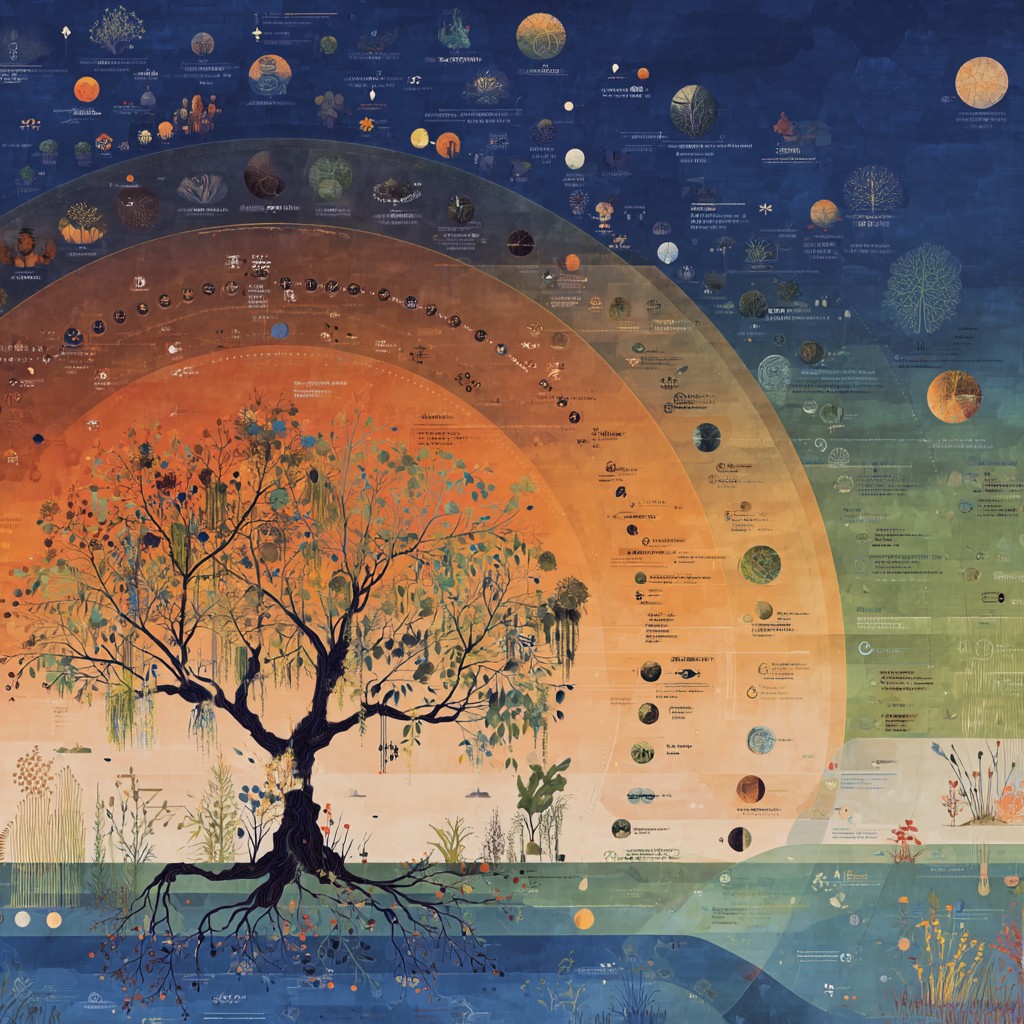
REMEMBERING OUR PLACE WITHIN LIFE
Let remembrance deepen our care.
Let care change how we live.
If the form does not load, open the enquiry form in a new tab or email lanajelenjev@ikmail.com.
24 APRIL 2027 · WHEREVER YOU ARE
Let a shared day become a continuing practice of care. Share your activities using #GlobalHealingDay2027.
Choose your starting pointAdd the day to your calendar